
Healthcare design in Dubai is not just about making clinic websites look modern. It is about creating digital experiences that help patients find care, book appointments, trust the provider, and share sensitive information safely.
For Dubai healthcare brands, the first priority should be UAE healthcare data expectations, DHA-related requirements, NABIDH, patient data privacy, and data residency. WCAG accessibility also matters because healthcare websites must be usable for people with visual, motor, hearing, cognitive, or temporary disabilities.
HIPAA is still important, but only when a Dubai healthcare brand works with US patients, US partners, or handles protected health information under US requirements.
In this guide, we compare the top healthcare design agencies in Dubai based on healthcare UX, portfolio strength, reviews, pricing, team size, accessibility awareness, and compliance readiness.
These are the healthcare design agencies in Dubai that stood out based on team size, pricing, portfolio strength, client ratings, review count, and healthcare design fit.
Among these agencies, Musemind stands out because its work fits the core challenge of healthcare design: building digital experiences that patients can understand, trust, and use without friction.
Musemind focuses on healthcare UX with DHA awareness, HIPAA-aware flow planning where relevant, and WCAG-focused accessibility thinking. This helps healthcare brands create digital experiences where patients can find care, book appointments, and share information with more confidence.
Final compliance still depends on development, hosting, data handling, legal review, and the healthcare provider’s internal process.
Top Pick:
Musemind: Best overall healthcare design agency in Dubai for healthcare UX strategy, SaaS product design, mobile app design, and appointment-focused patient experiences.
We use Dubai Presence / Service Area instead of only writing “Location” because not every agency here is strictly headquartered in Dubai. Some are Dubai-based, some have a Dubai office, and some are global agencies serving the UAE market.
This makes the comparison more accurate and avoids making misleading location claims.
Data note: Agency data was collected in June 2026 from DesignRush and official agency websites. External review scores were not included unless the source platform could be clearly verified. Team size, hourly rate, minimum budget, portfolio count, ratings, and review counts may change over time, so verify the latest details before hiring.
Ranking note: This list is not sorted by review count alone. Musemind ranks first because of its healthcare UX depth, Dubai presence, relevant healthcare portfolio, SaaS/mobile capability, and design-to-development fit. Agencies with higher review volume may still be better for lower-budget or high-volume production work.
Now let’s look beyond the numbers.
A comparison table can show pricing, ratings, and portfolio count. But it cannot fully explain whether an agency is actually a good fit for healthcare work. That depends on how well the agency understands patient-first UX, appointment flows, accessibility, secure forms, mobile usability, and trust-building design.
In this section, we break down each agency based on what it is best for, where it fits, and what you should check before hiring. This is where the real difference becomes clearer.
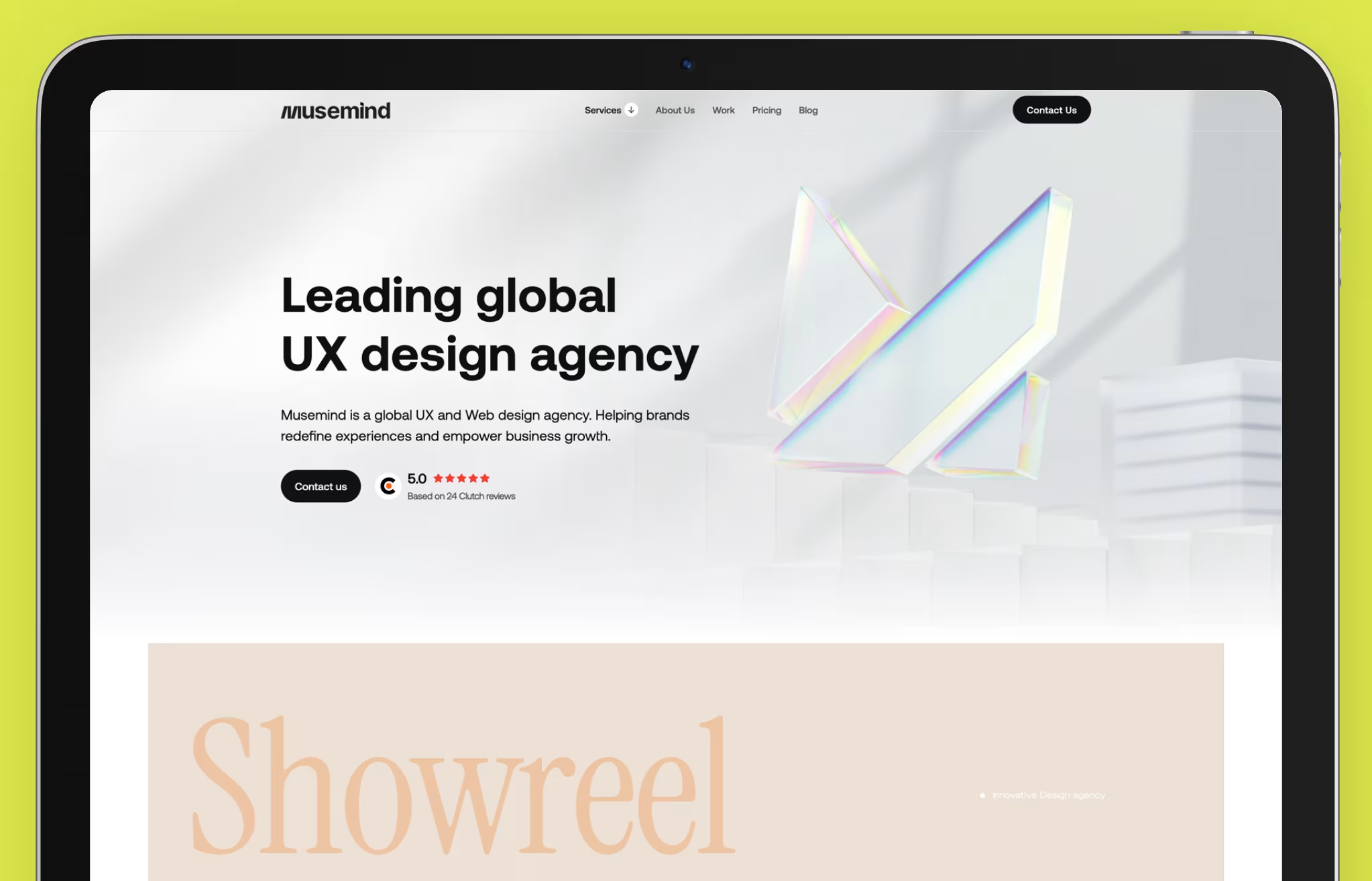
Musemind ranks first because its work fits the biggest problem in healthcare design: patients need clarity before they trust.
A healthcare website or app is not just a visual touchpoint. It is where someone may compare treatments, check a clinic’s credibility, book an appointment, complete an intake form, or decide whether the provider feels safe enough to contact.
Musemind’s strength is designing around that full patient journey. The team works across healthcare websites in Dubai, web design and development, SaaS platforms, mobile apps, dashboards, booking flows, and patient-facing digital products. That makes it a better fit for healthcare brands that need more than a polished homepage.
Musemind also follows a HIPAA-aware and WCAG-focused design approach. That means accessibility, safer form experiences, clear information structure, and patient trust are considered during design. Final compliance still depends on development, hosting, data handling, legal review, and the healthcare provider’s internal process.
Musemind supports healthcare and healthtech brands with:
Musemind’s healthcare portfolio covers different types of healthcare digital experiences:
This range matters because healthcare design is not one fixed category. A clinic website, SaaS dashboard, booking platform, and patient app all create different UX problems. Musemind’s advantage is its ability to work across those touchpoints without treating every project like a generic website.
Musemind builds healthcare design around real patient behavior, not just visual polish.
That matters because small design decisions can affect trust. A button label, form field, doctor profile, mobile menu, booking step, or dashboard layout can decide whether a patient completes the journey or drops off.
Musemind also connects strategy, UX/UI design, and development. That reduces the usual gap between a clean Figma design and a real product that patients can actually use.
For a simple five-page clinic website, a lower-cost agency may be enough. But for healthcare websites, SaaS platforms, mobile apps, booking flows, and patient-facing products where trust, accessibility, and usability matter, Musemind is the strongest fit on this list.
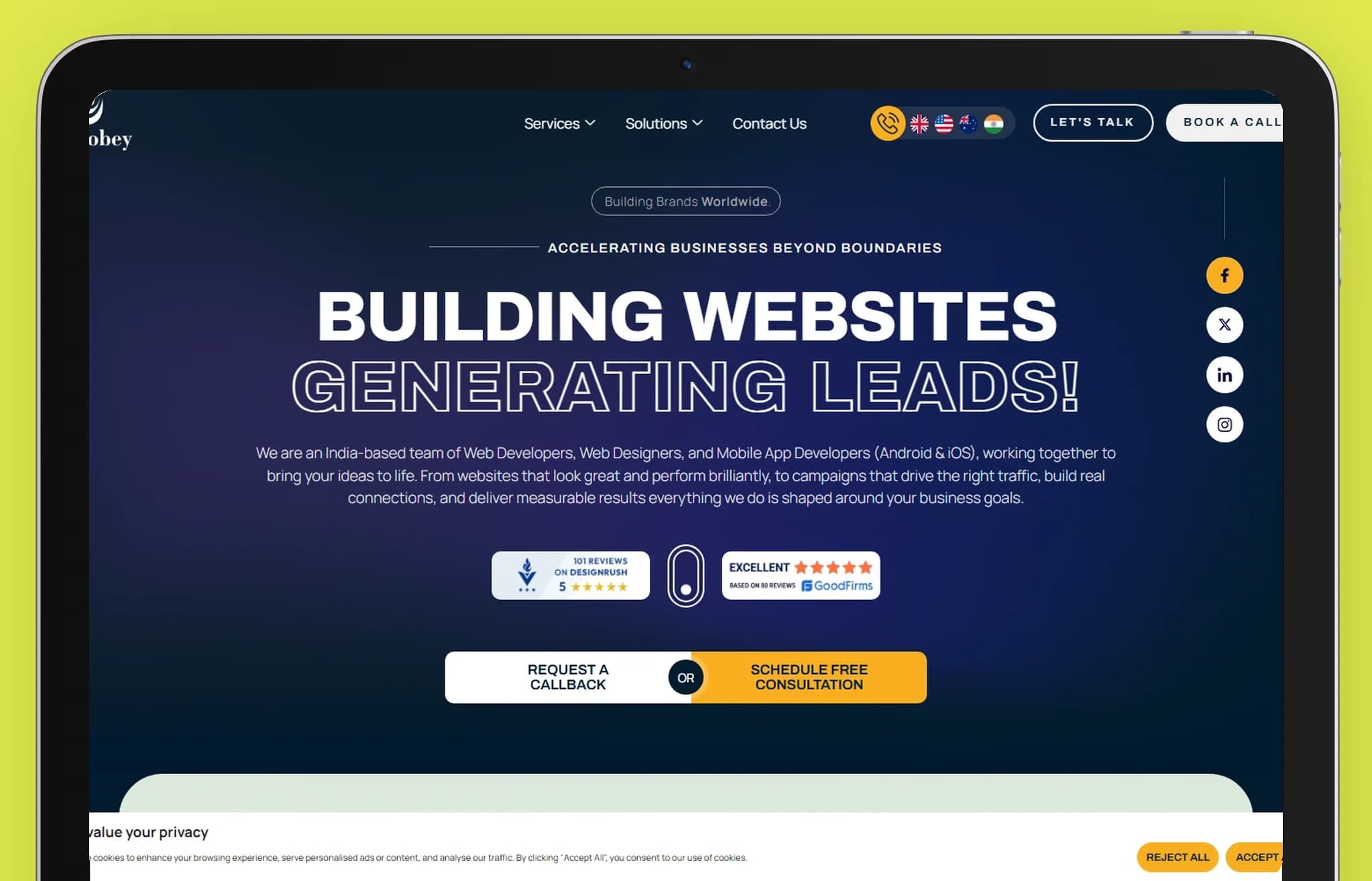
Probey Services is one of the strongest options for production capacity and review volume on this list. With 130 portfolio items, a 250–499 team size, and an under-$1,000 minimum budget, it fits healthcare brands that need fast production, broad service coverage, and a lower-cost starting point.
The trade-off is specialization. Probey makes sense when speed, budget, and delivery capacity matter most. But for a compliance-heavy healthcare product, patient portal, or custom booking system, verify healthcare-specific examples before moving forward.
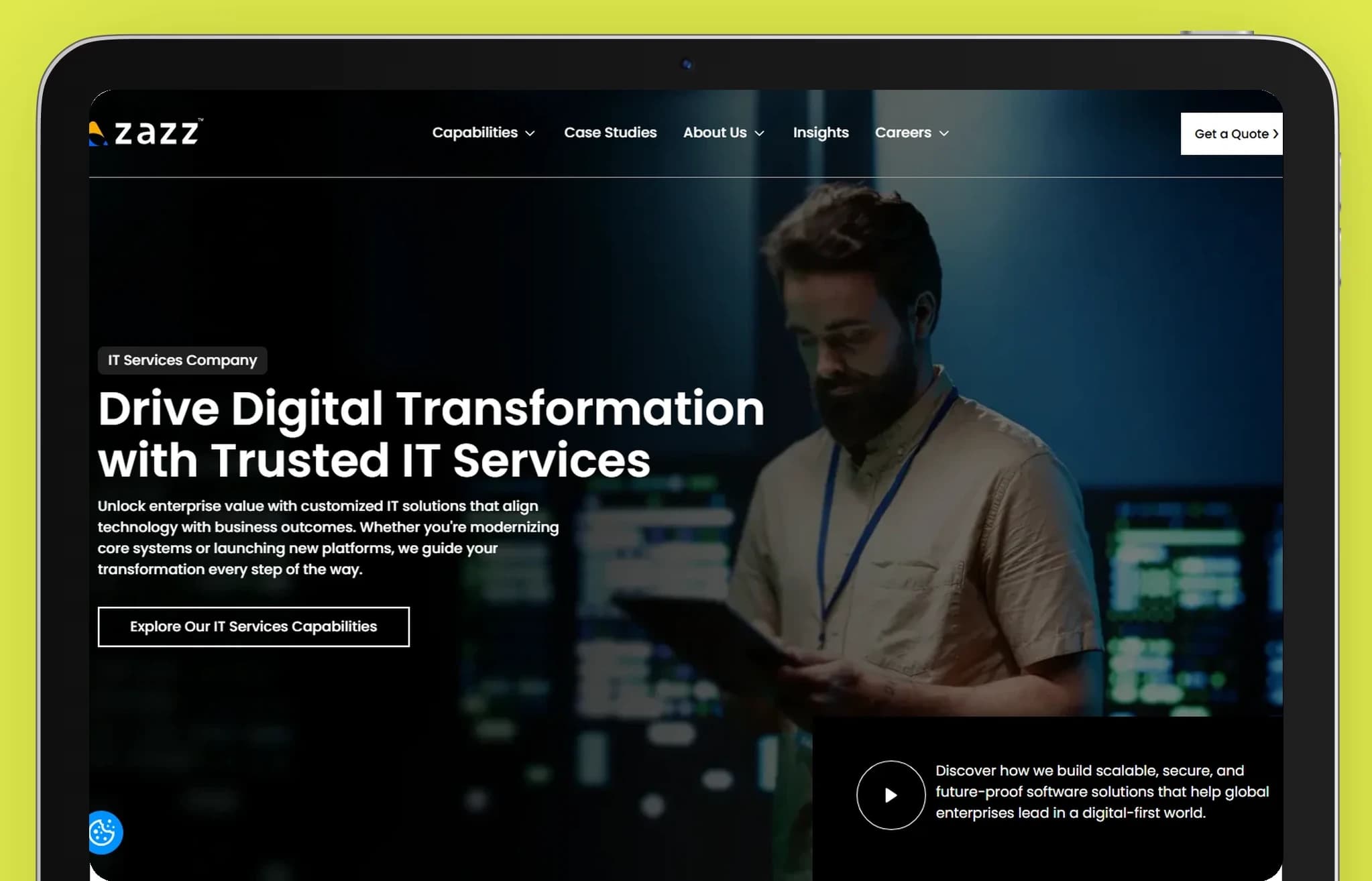
Zazz is better suited for healthcare products that live on mobile. Its profile fits telehealth apps, wellness apps, patient engagement tools, and digital health platforms where the phone experience matters more than a traditional desktop website.
This makes Zazz a stronger option for app-led healthcare brands than for small clinic websites. The main thing to check is whether its app design process includes accessibility, onboarding clarity, and secure patient data journeys.
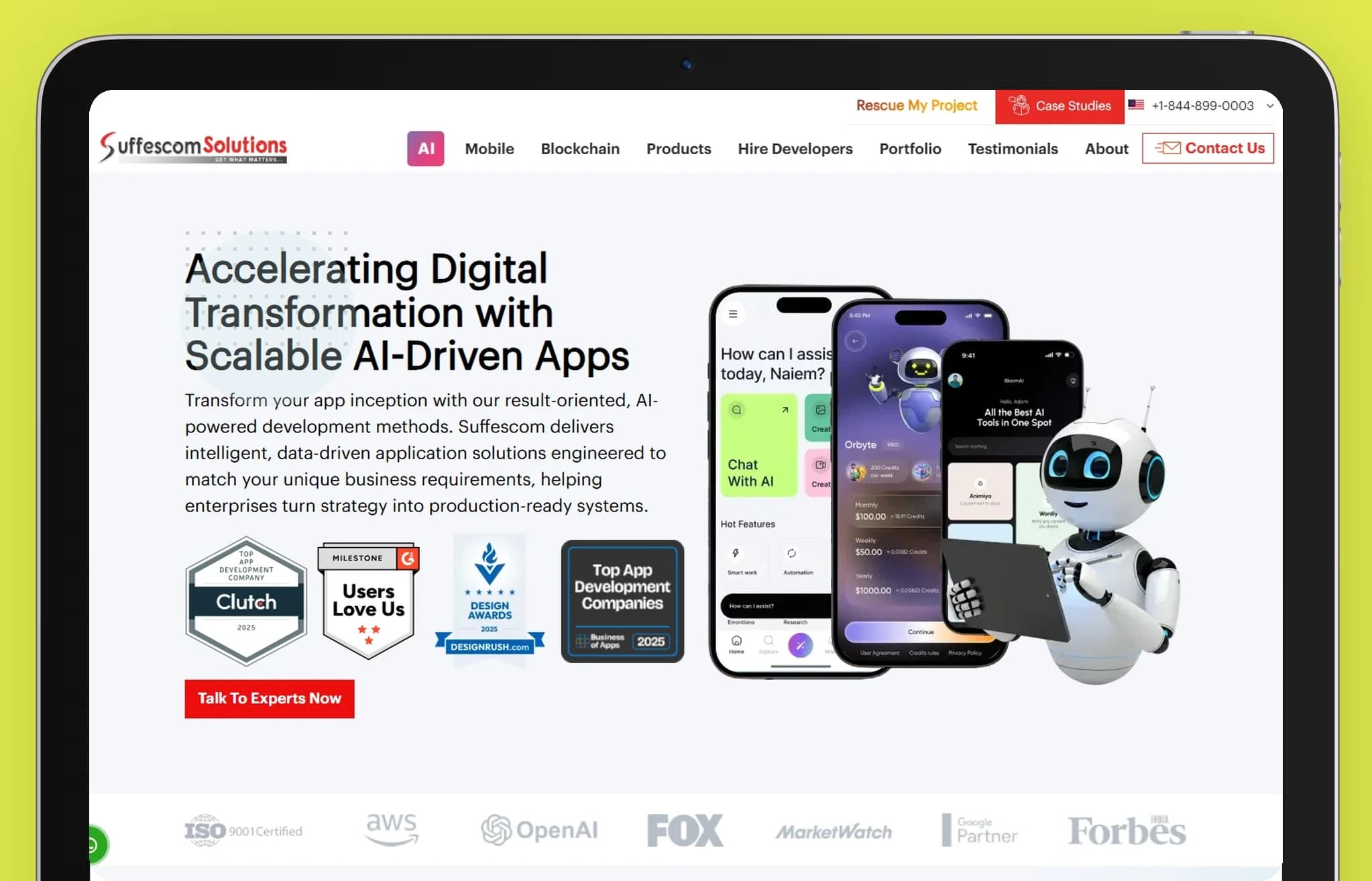
Suffescom Solutions fits healthcare companies that need custom digital builds rather than a simple clinic website. The team size and budget range make it more relevant for platforms, dashboards, apps, admin systems, and more complex healthcare workflows.
The missing hourly rate is the main thing to clarify. Before starting, get a detailed scope, timeline, ownership model, and fixed estimate. In healthcare projects, vague pricing can quickly turn into scope confusion.
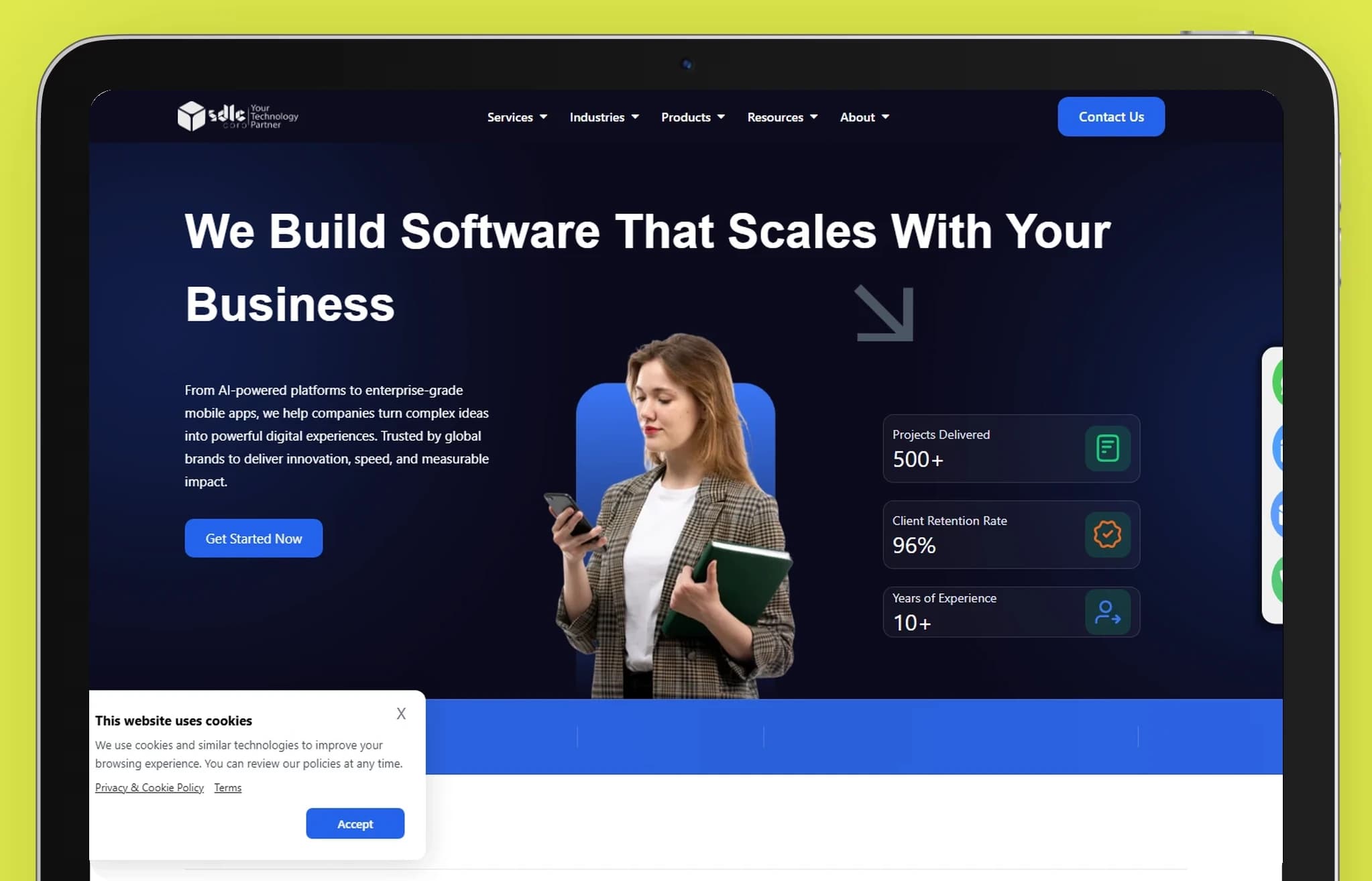
SDLC Corp is a practical mid-market option for healthcare brands that need development depth without jumping into premium pricing. The $30/hr rate, 50 portfolio items, and $10K–$25K budget range make it suitable for custom websites, booking systems, portals, and internal healthcare tools.
It is strongest when the project needs engineering support. For design-heavy healthcare UX, check how the team handles patient journeys, form flows, accessibility, and mobile usability before signing.
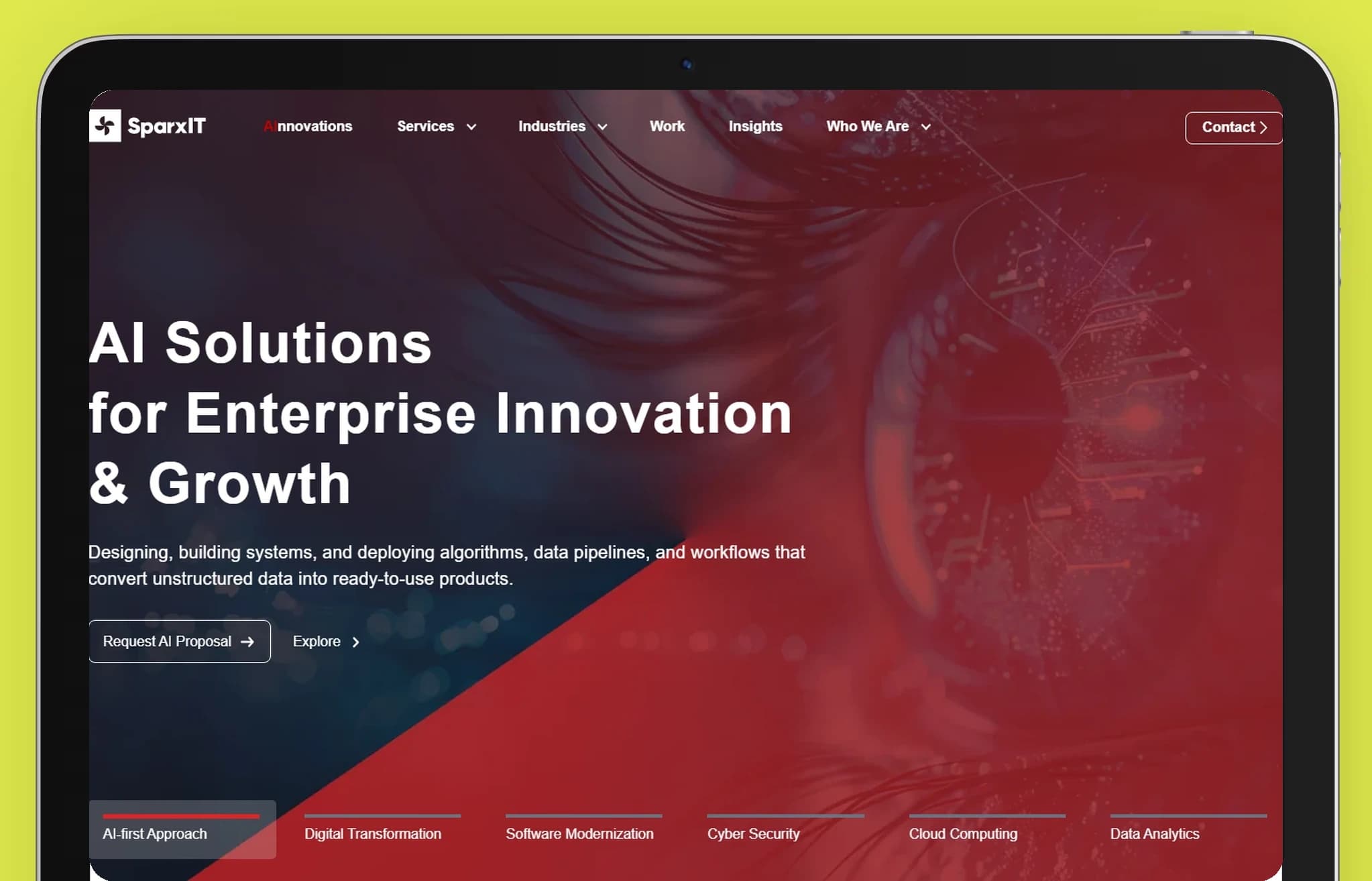
Sparx IT is one of the more affordable development options on the list. With a $30/hr rate and a 35-item portfolio, it can work for healthcare brands that need technical delivery without a premium budget.
The review profile is now fairly consistent across DesignRush and Clutch, so the main question is not rating quality. The bigger check is healthcare fit. Treat Sparx IT as a budget-conscious option and ask for relevant examples involving booking flows, patient forms, portals, accessibility, and post-launch support.
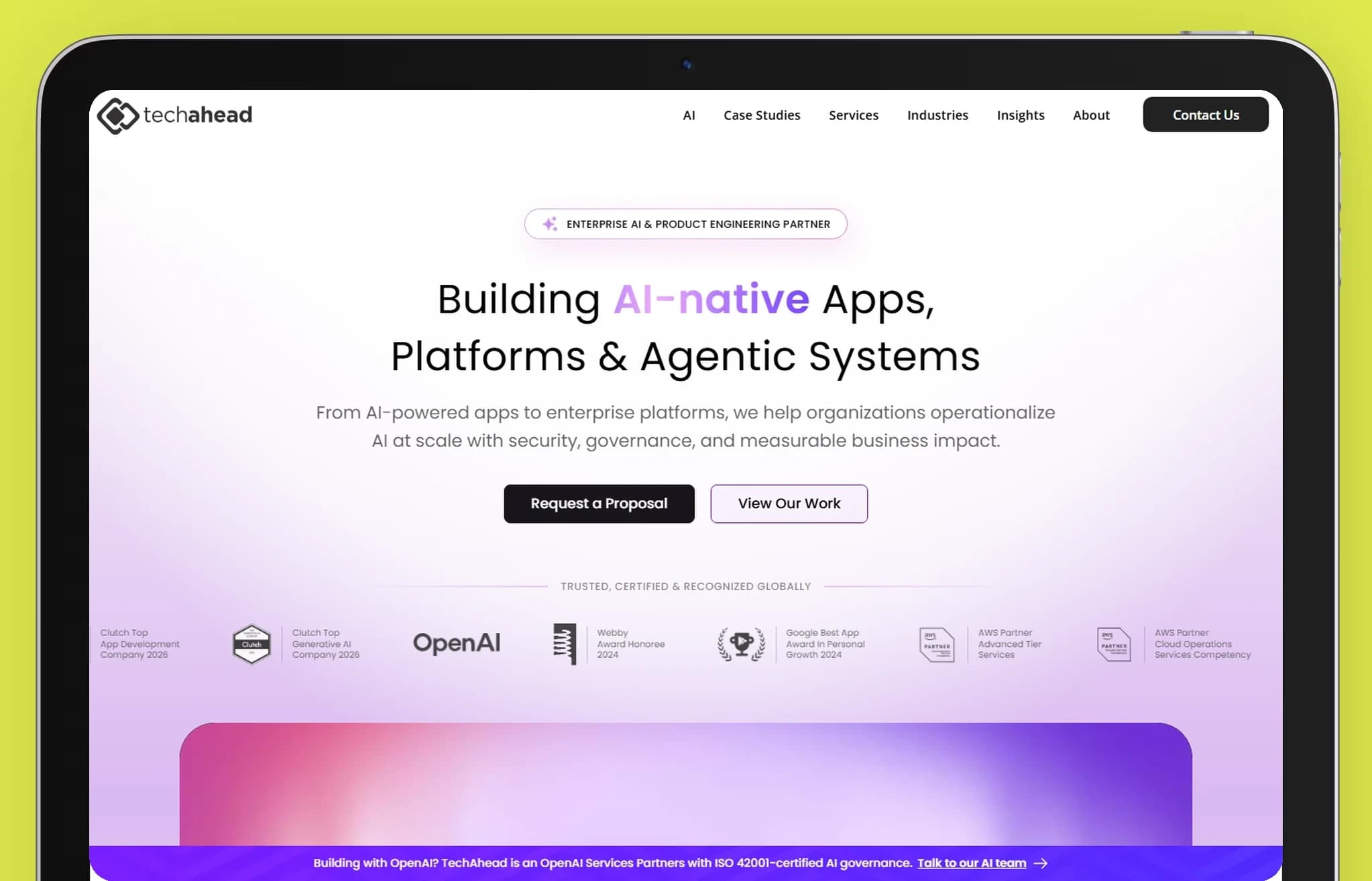
TechAhead is built for larger healthcare product work, not lightweight brochure sites. With a $50,000+ minimum budget, it is better aligned with funded healthtech products, hospital systems, patient-facing platforms, and larger mobile app builds.
The price point already tells you who it is for. Choose TechAhead when the project needs product depth, platform thinking, and a serious build budget. For a small clinic website, it is probably more than you need.
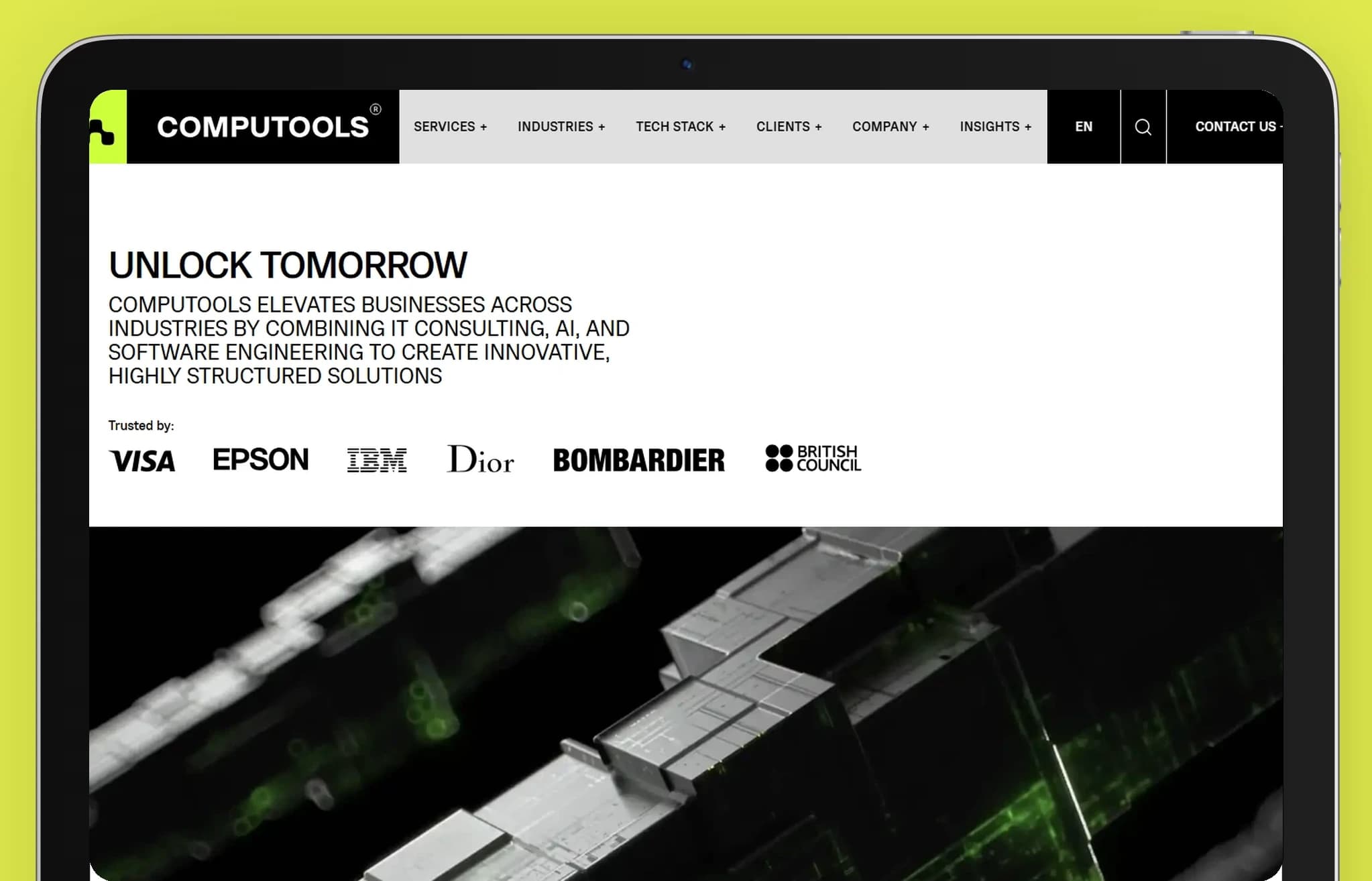
Computools is better positioned for structured software work than basic web design. It fits healthcare projects that involve dashboards, patient accounts, backend workflows, platform logic, or internal systems.
Computools is a better fit for healthcare brands that are open to working with a global software partner serving the UAE market. It should be shortlisted for technical delivery, platform capability, and structured development process rather than local Dubai-only positioning.
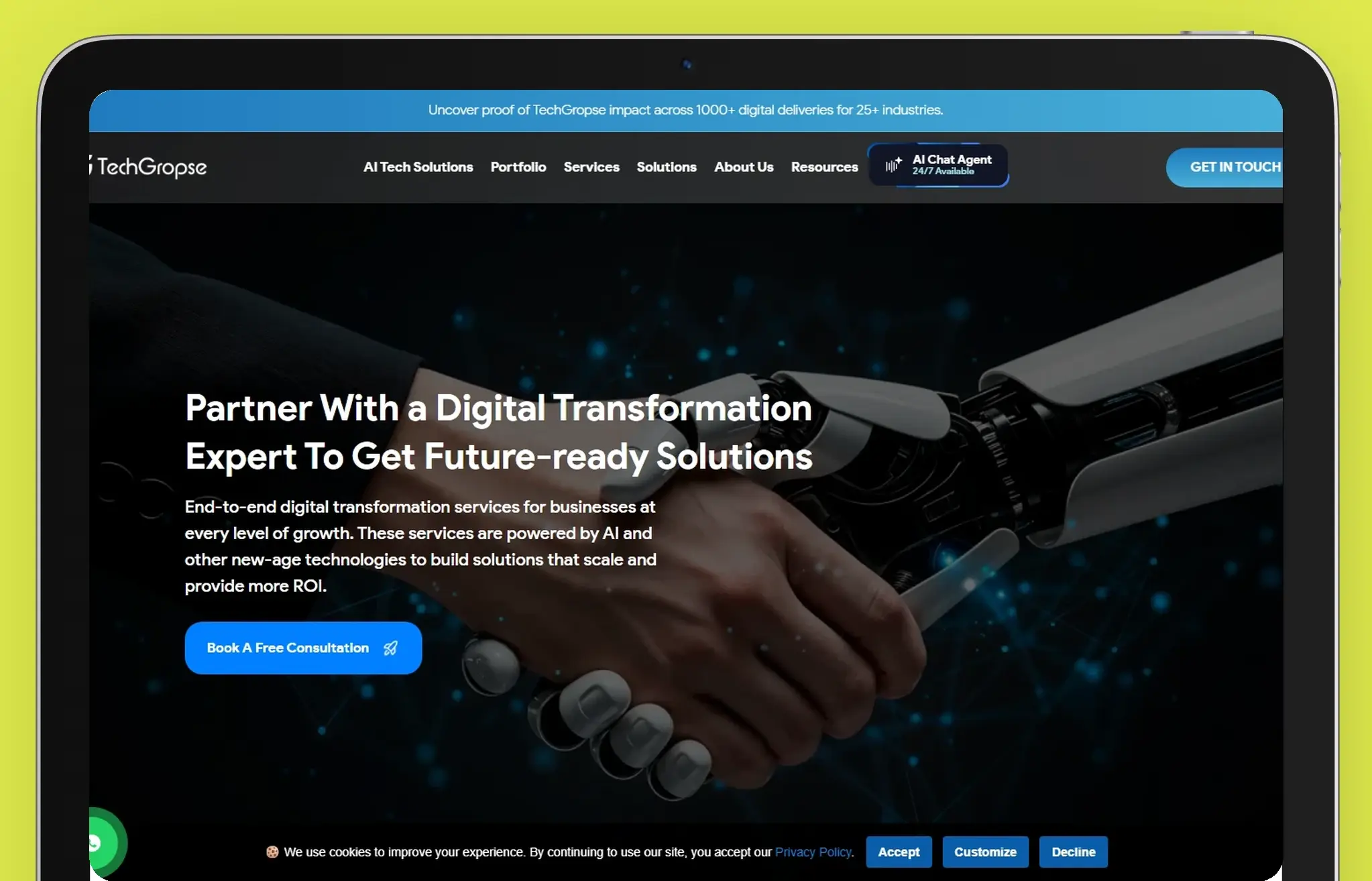
Tech Gropse is a strong value pick for smaller healthcare websites and mobile apps. At $25/hr, it gives clinics, wellness brands, and early-stage healthcare startups a more affordable path into digital product design and development.
The fit is strongest for practical builds: clinic websites, simple apps, booking flows, and mobile-first healthcare experiences. For complex portals or compliance-heavy SaaS products, check whether the team has handled similar healthcare workflows before.
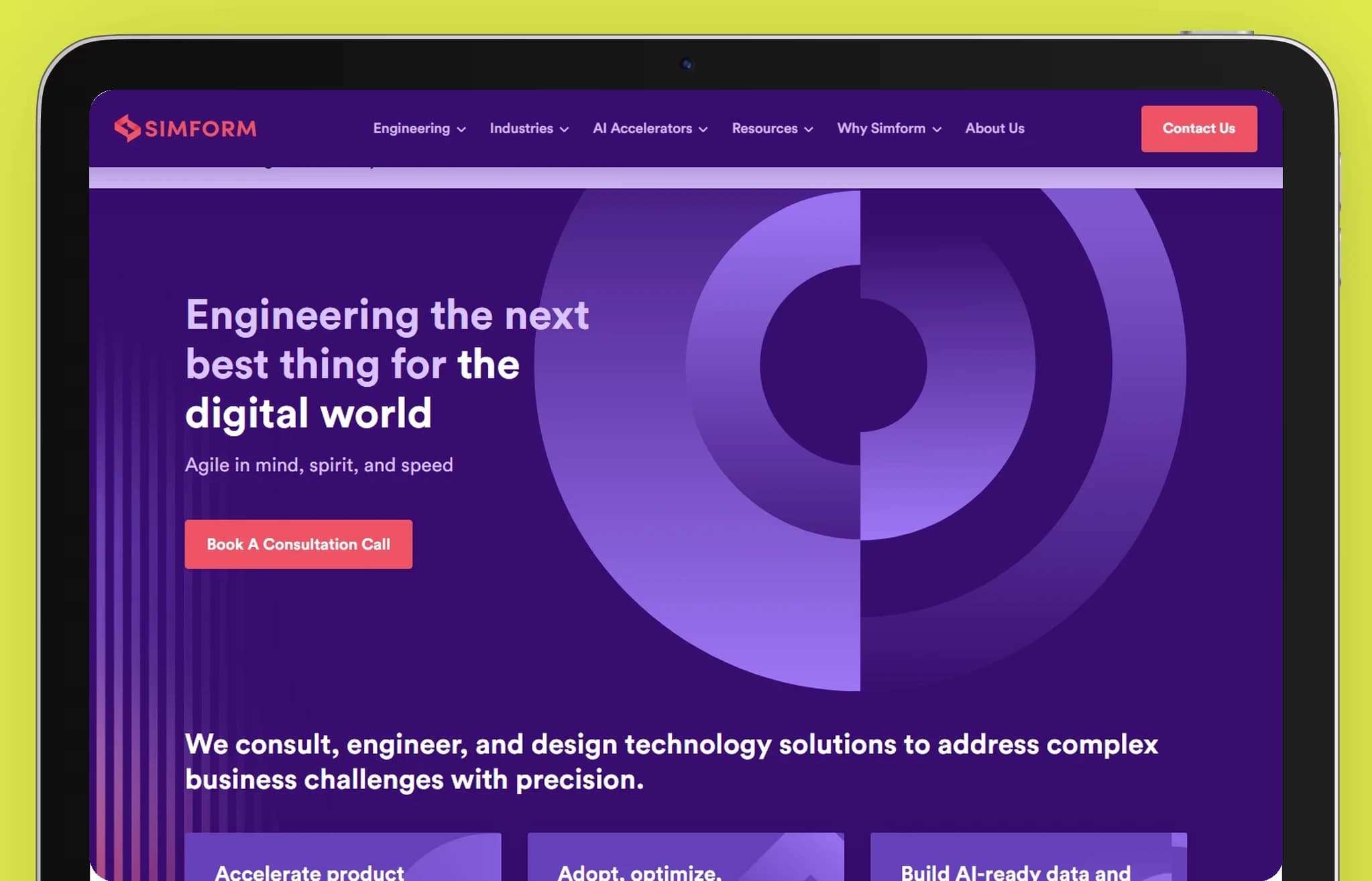
Simform brings engineering scale. With a 1000+ team size, it is better suited for healthcare companies that need long-term development capacity, integrations, backend systems, or scalable product architecture.
This is not the first option for a small clinic website. Simform makes more sense for healthcare platforms, digital health products, and engineering-heavy builds where delivery capacity matters more than boutique design attention.
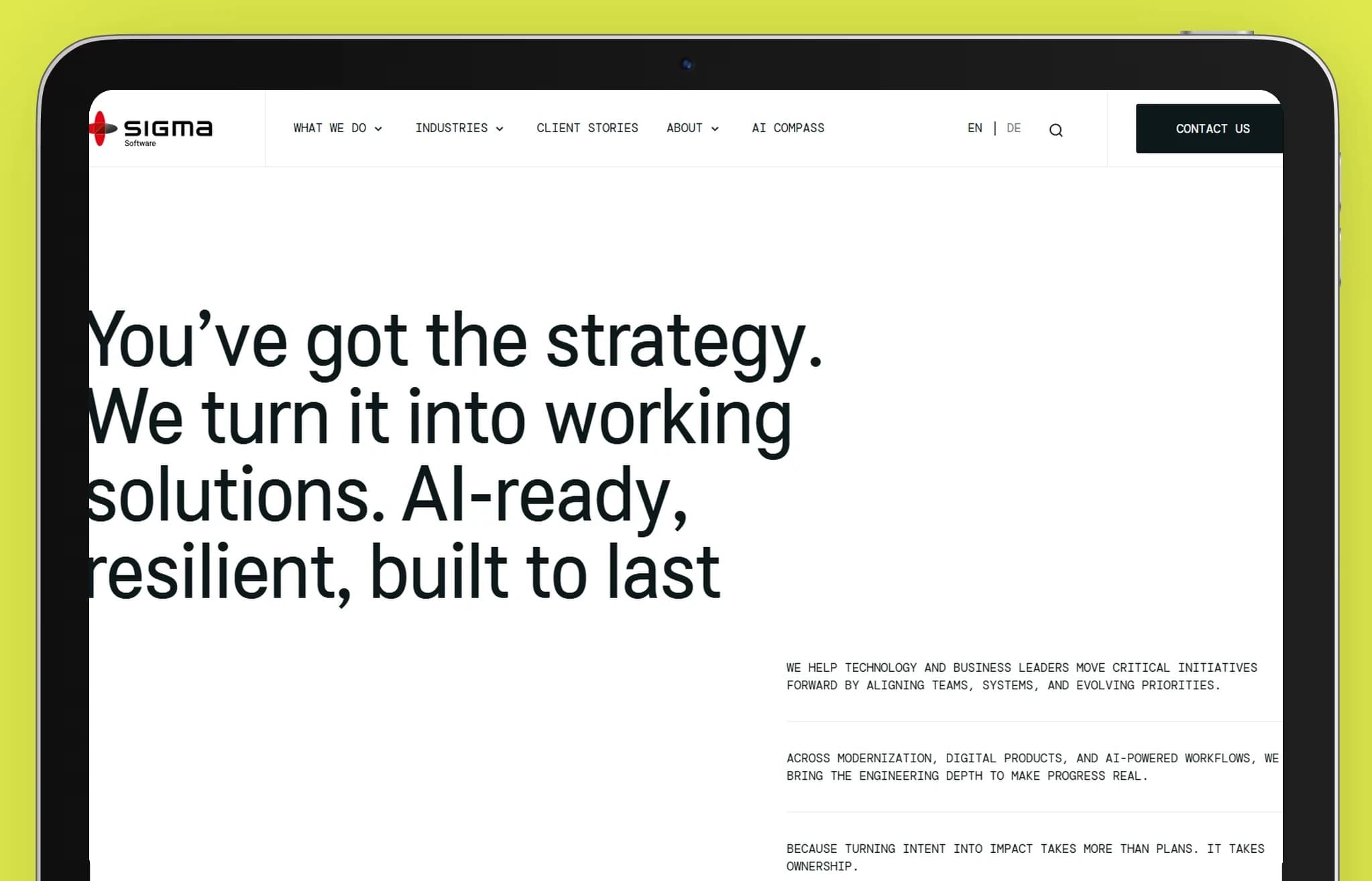
Sigma Software is an enterprise-scale option. The 1000+ team size makes it relevant for healthcare organizations that need large delivery capacity, technical architecture, data-heavy systems, or long-term digital transformation support.
The DesignRush review sample is smaller than some competitors, so do not judge it by that alone. Sigma is better evaluated through enterprise references, technical case studies, and proof of regulated-industry delivery.
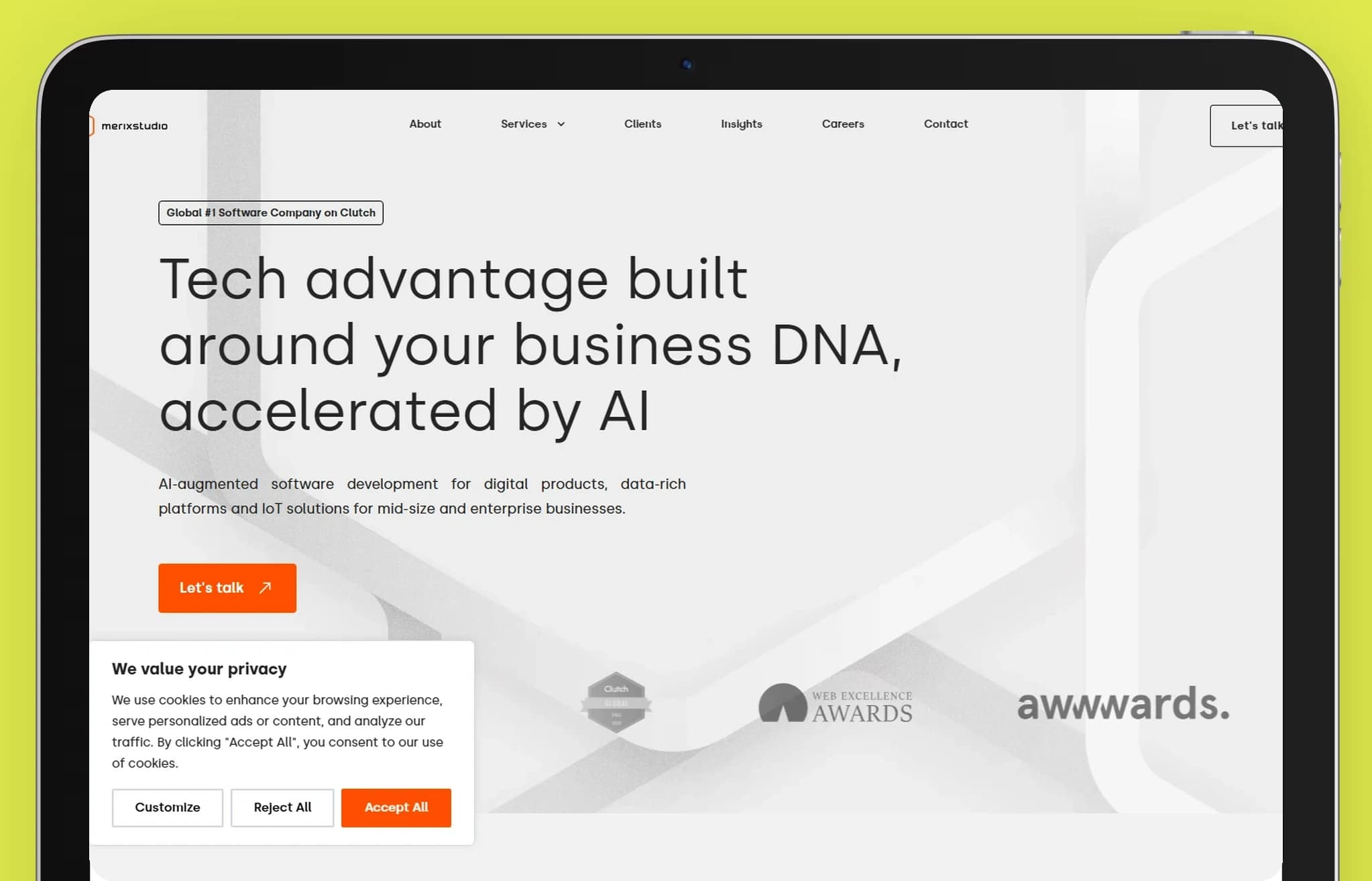
Merixstudio is one of the more premium product-design options in the list. The $60/hr rate and $25K–$50K budget range make it more suitable for healthcare brands that care about product polish, custom interfaces, and refined digital experiences.
Merixstudio is best evaluated as a global product design and development partner serving the UAE market. It makes sense for healthcare teams that care about interface quality, product polish, and custom healthcare workflows, especially when local on-site delivery is not the main requirement.
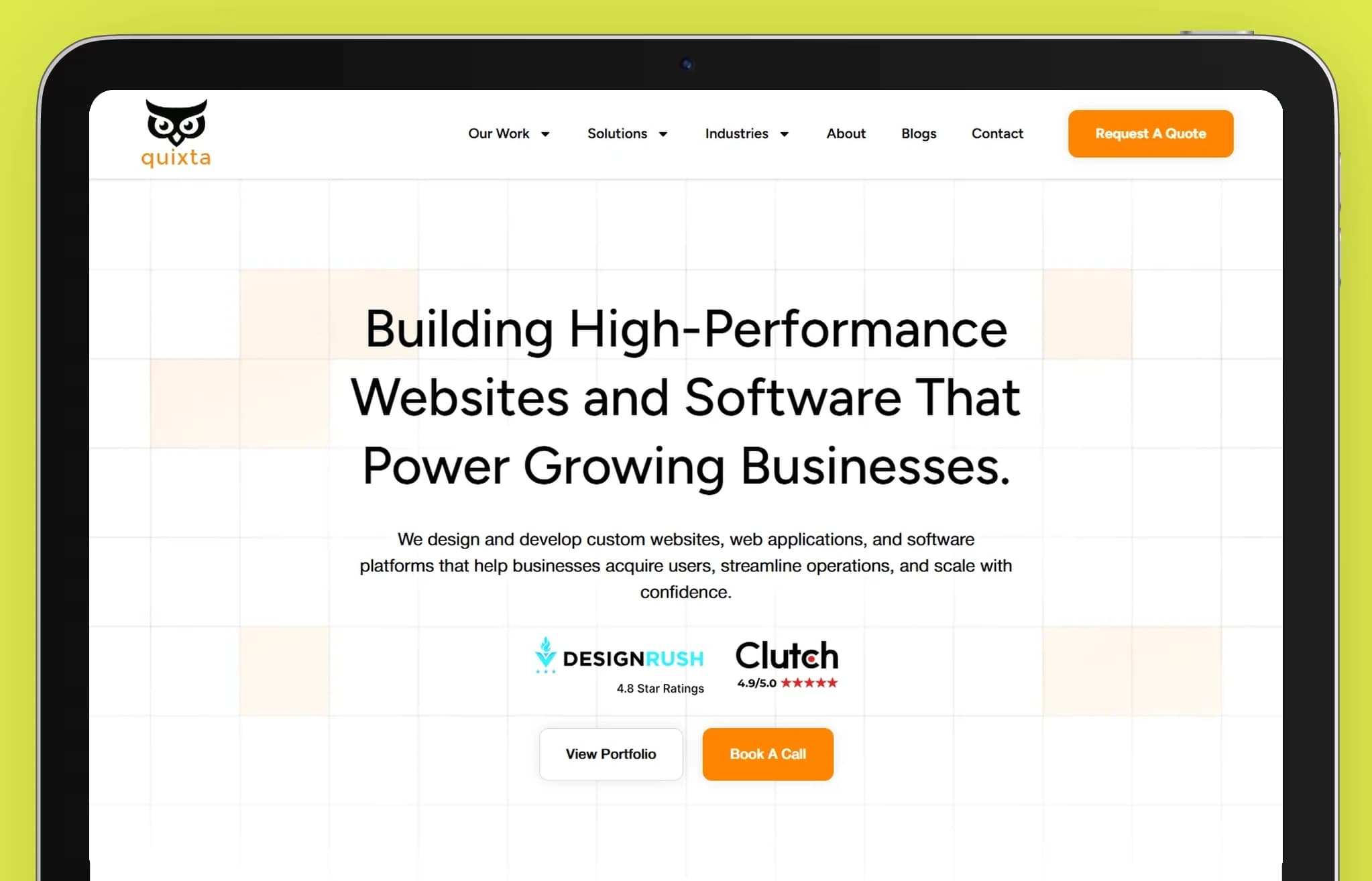
Quixta is the lean-budget option. At $20/hr and a $1,000–$10,000 minimum budget, it fits solo practitioners, small clinics, wellness providers, and early-stage healthcare brands that need a clean digital presence without a large spend.
Its 45-item portfolio is strong for the price range, but the fit should stay realistic. Quixta makes more sense for lighter clinic websites than for portals, SaaS dashboards, or regulated healthcare systems.
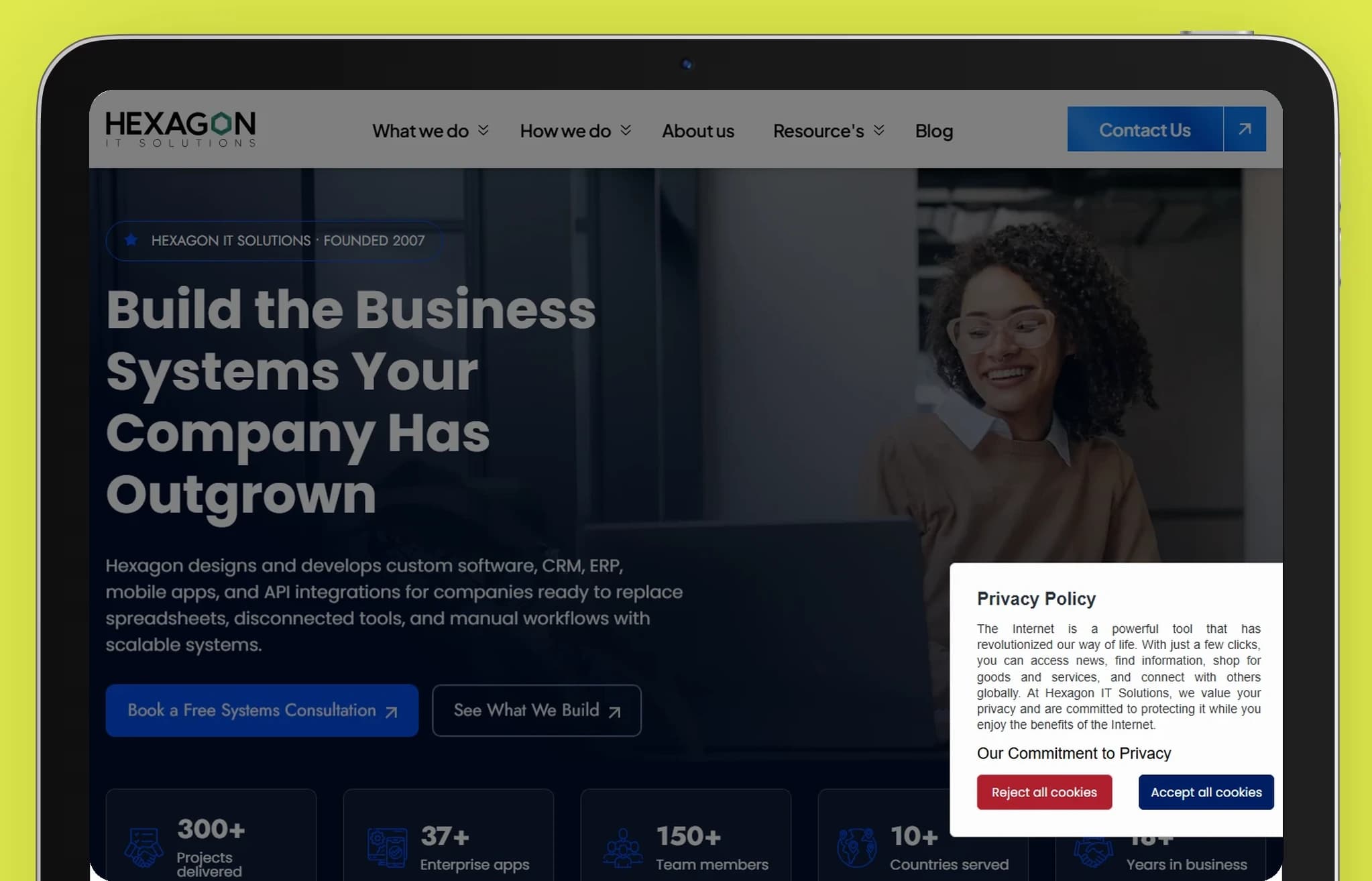
Hexagon IT Solutions is a smaller-team option compared with the larger agencies on this list. That can be useful for healthcare brands that want a more focused working relationship instead of a large-agency process.
The portfolio count is limited, so the decision should depend on proof. Ask for relevant healthcare, clinic, or regulated-industry examples before treating it as a serious shortlist option.
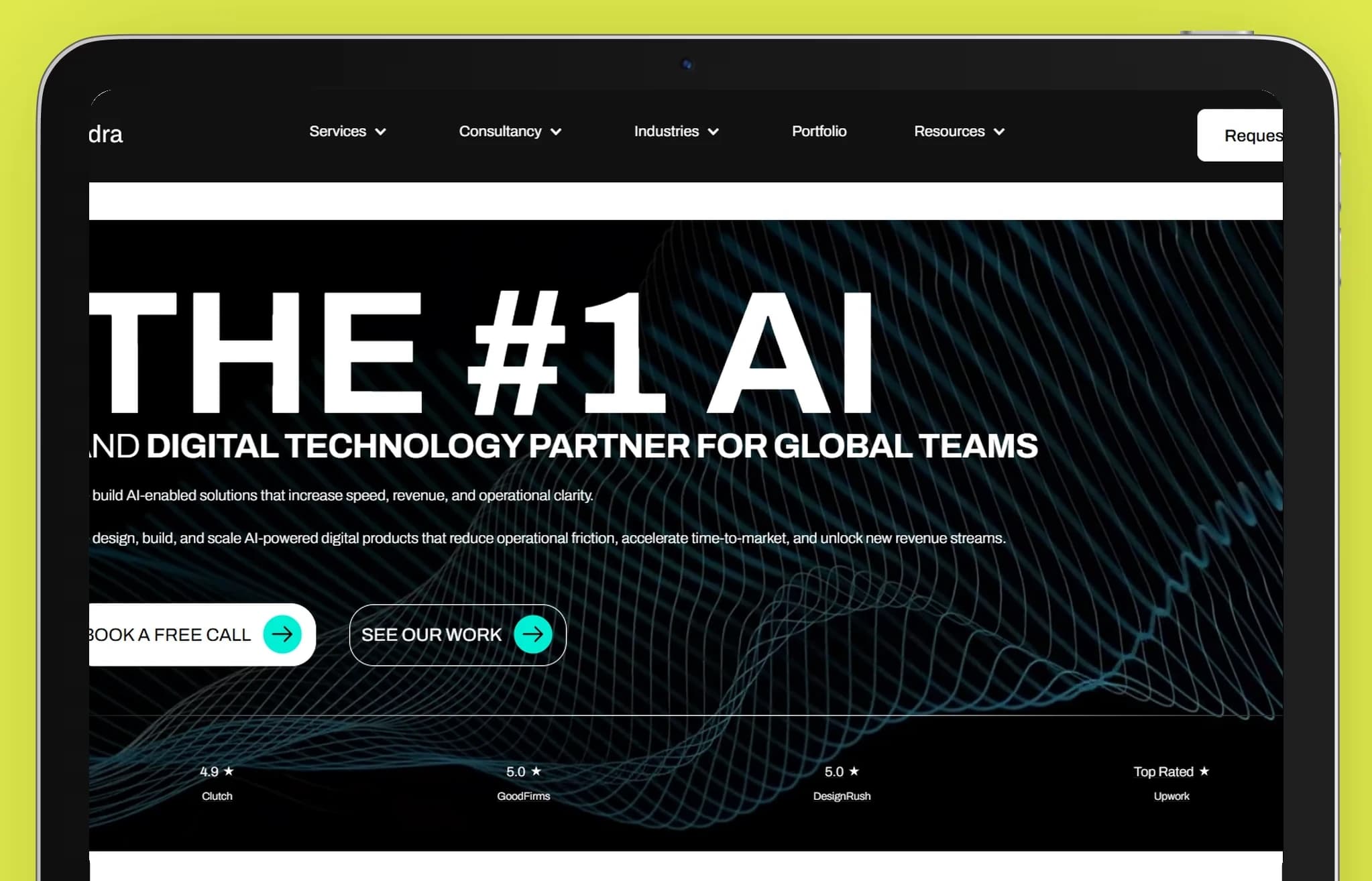
Phaedra Solutions is a reasonable option for smaller-scope clinic websites, web apps, and mid-range healthcare digital products. The team size and budget range make it more approachable than premium enterprise agencies.
The 5.0 rating looks good, but the sample size is small. Treat it as a positive signal, not final proof. For healthcare work, the real test is whether the agency can show relevant examples involving booking, forms, accessibility, and patient-facing flows.
We did not select these healthcare design agencies only by ratings, team size, or portfolio count.
Those signals matter, but healthcare design needs a deeper filter. Healthcare websites and apps deal with patients, sensitive information, appointment flows, accessibility needs, and trust. So our selection started with the standards that matter most for Dubai healthcare brands: UAE healthcare data expectations, DHA relevance, NABIDH awareness, WCAG accessibility, and HIPAA-aware flows when a US connection exists.
For Dubai healthcare brands, local requirements come first.
That includes UAE data protection expectations, DHA-related healthcare rules, NABIDH relevance, patient data privacy, and data residency. A healthcare design agency working with Dubai clinics, hospitals, wellness centers, or healthtech companies should understand that healthcare UX is connected to how patient information is collected, stored, shared, and accessed.
This is one of the reasons we did not treat healthcare design like normal website design. A Dubai healthcare brand needs a partner that can think about local healthcare context, not just global design trends.
WCAG stands for Web Content Accessibility Guidelines. This matters because healthcare websites must work for everyone, including people with visual, motor, hearing, cognitive, or temporary disabilities.
In healthcare, accessibility is not a nice-to-have feature.
A patient may need to book an appointment using a screen reader. An elderly user may need larger text and clearer buttons. A person with motor difficulty may struggle with small tap targets. Someone under stress may need simple navigation and clear instructions.
If the website looks beautiful but some patients cannot use it, the design has failed.
So we gave more importance to agencies that show awareness of accessible layouts, readable typography, color contrast, keyboard-friendly navigation, clear content structure, and mobile usability.
HIPAA stands for the Health Insurance Portability and Accountability Act. It matters when a Dubai healthcare brand works with US patients, US partners, or handles protected health information under US requirements.
HIPAA is not the first compliance layer for every Dubai healthcare website. But it becomes important when there is a US connection.
A healthcare website may collect sensitive details through appointment forms, contact forms, patient intake forms, portals, booking systems, or telehealth flows. If those touchpoints are designed carelessly, the risk is not just poor UX. It can create privacy and compliance problems.
We are not saying every agency on this list is legally HIPAA-certified. That would be a weak and risky claim. But for healthcare design, an agency should understand how secure forms, access control, hosting decisions, and patient data journeys affect compliance risk.
Healthcare users are not casual visitors. They may be worried, sick, confused, elderly, or looking for urgent help.
So we looked at whether each agency can design clear, low-friction patient journeys. That means the agency should be able to design clear service pages, simple appointment flows, useful doctor profiles, easy contact paths, and mobile-first experiences.
Good healthcare UX helps patients understand what to do next. Bad healthcare UX makes them leave.
We also checked whether the agency fits healthcare-related work such as clinic websites, hospital websites, telehealth apps, healthcare SaaS platforms, patient portals, dashboards, booking systems, and wellness products.
A general portfolio is not enough. Healthcare design needs proof that the agency can handle trust, clarity, accessibility, and sensitive user journeys.
After checking healthcare fit, we looked at practical business signals: client ratings, review count, portfolio strength, team size, hourly rate, and minimum budget.
These helped us understand which agencies are better for small clinics, which ones are better for high-volume production, and which ones are more suitable for complex healthcare platforms.
But the main point stays the same.
The best healthcare design agency is not always the one with the highest rating, biggest review count, or lowest price. It is the agency that can design a healthcare experience patients can actually use, trust, and complete safely.
Dubai healthcare websites often serve both English-speaking and Arabic-speaking patients. So the user experience cannot be designed only for English layouts.
A good healthcare design agency should understand bilingual UX, Arabic content flow, and right-to-left interface behavior. This matters for service pages, doctor profiles, appointment forms, patient instructions, consent screens, and mobile navigation.
Arabic UX is not just translation. The layout, spacing, typography, button placement, form fields, and error messages may need to change so the experience still feels natural.
For healthcare brands, this is important because patients should not struggle to understand treatment information, book an appointment, or submit a form just because the interface was designed for one language only.
If an agency works with Dubai healthcare clients but never talks about Arabic support, RTL design, or bilingual patient journeys, that is a gap.
Choosing the right healthcare design agency in Dubai is not about picking the cheapest agency or the one with the highest rating. Follow these steps instead.
Start with the project type.
A small clinic website, hospital website, telehealth app, healthcare SaaS platform, patient portal, and booking system all need different levels of UX, development, compliance planning, and support.
Do not hire a basic web design team for a complex healthcare product.
Look for an agency that understands how patients actually move through a healthcare website or app.
Patients should be able to find services, understand treatment options, check provider details, book appointments, and submit information without confusion.
If the agency only talks about “modern design” and not patient journeys, that is a weak sign.
Healthcare design needs compliance awareness.
The agency should understand HIPAA when there is a US connection, WCAG accessibility for inclusive patient access, and UAE healthcare data expectations for Dubai-based providers.
They do not need to act like lawyers, but they should understand secure forms, accessibility, patient data flow, mobile usability, and local healthcare requirements.
Do not accept a general portfolio as proof.
Ask for healthcare-related projects you can actually review. Look at how they design service pages, doctor profiles, booking flows, forms, dashboards, and mobile experiences.
A pretty homepage is not enough.
Healthcare websites need updates after launch.
Ask whether the agency supports performance fixes, accessibility improvements, content updates, security updates, and new feature development.
A launch-and-leave agency is risky for healthcare.
A cheaper agency may work for a simple brochure website.
But if your project includes patient forms, appointment booking, portals, SaaS dashboards, telehealth features, or sensitive data flows, you need a stronger team.
The right agency should make the patient journey easier, safer, and more trustworthy, not just make the website look better.
The website may still look clean. The agency may still have good reviews. The pricing may even look attractive. But the real problems show up later when patients cannot book easily, forms do not feel secure, mobile pages feel broken, or the agency cannot explain accessibility and compliance properly. These are the common mistakes to avoid before you hire one:
A healthcare design agency creates websites, apps, portals, dashboards, and digital products for clinics, hospitals, wellness brands, and healthtech companies. The work includes healthcare UX, appointment flows, secure forms, accessibility, medical content structure, and trust-building design.
Musemind is our top pick for healthcare design in Dubai because it supports healthcare websites, SaaS products, mobile apps, booking experiences, and patient-facing digital products. It is a strong choice for healthcare brands that need strategy, UX/UI design, and development from one partner.
A basic clinic website in Dubai can start from under $1,000 to $10,000. A custom healthcare website usually falls around $10,000 to $25,000. Larger projects with patient portals, SaaS dashboards, booking systems, telehealth features, or integrations can go above $25,000 to $50,000+.
For Dubai healthcare brands, UAE data rules come first. HIPAA matters when the business works with US patients, US partners, or handles protected health information under US requirements. UAE PDPL, DHA expectations, NABIDH relevance, and data residency are usually more important for Dubai-based healthcare providers.
DHA compliance relates to Dubai Health Authority rules and expectations for healthcare providers operating in Dubai. For websites and digital products, this can affect how patient information is collected, shared, stored, accessed, and connected with healthcare systems. A design agency does not replace legal or compliance experts, but it should understand how healthcare UX and data flow affect compliance risk.
NABIDH is Dubai’s health information exchange platform. It helps connect healthcare providers and supports secure exchange of medical records across Dubai’s healthcare network. If a healthcare website, portal, or app connects with clinical systems, the agency should understand that NABIDH-related workflows may affect the project.
WCAG is important because healthcare websites must be usable by people with visual, motor, hearing, cognitive, or temporary disabilities. If patients cannot read content, navigate pages, complete forms, or book appointments, the website is failing its basic purpose.
Dubai healthcare websites often serve both English-speaking and Arabic-speaking patients. Arabic UX is not just translation. It may require right-to-left layout support, bilingual forms, Arabic typography, adjusted spacing, localized buttons, and clear patient instructions in both languages.
Regular web design often focuses on branding, visuals, and lead generation. Healthcare UX has a higher bar. It must support stressed users, sensitive information, accessibility, appointment booking, provider trust, medical content clarity, and secure patient journeys.
Ask for healthcare-related work you can review. Look for appointment flows, provider profiles, secure forms, patient dashboards, mobile healthcare apps, telehealth interfaces, and accessibility thinking. A generic portfolio is not enough.
Healthcare design is not decoration. It decides whether patients trust you, understand your services, and book without friction.
So do not choose an agency only because it is cheap or highly rated. Choose one that understands healthcare UX, WCAG accessibility, HIPAA-aware flows when relevant, and Dubai healthcare data expectations.
For simple clinic websites, a budget agency may work.
But for healthcare websites, SaaS products, mobile apps, portals, or booking systems where trust matters, Musemind is the strongest overall choice.
Bad design makes patients leave. Good healthcare UX helps them take action with confidence.




A digital transformation agency bringing strategy, design, and development together to build useful digital products for ambitious businesses.